


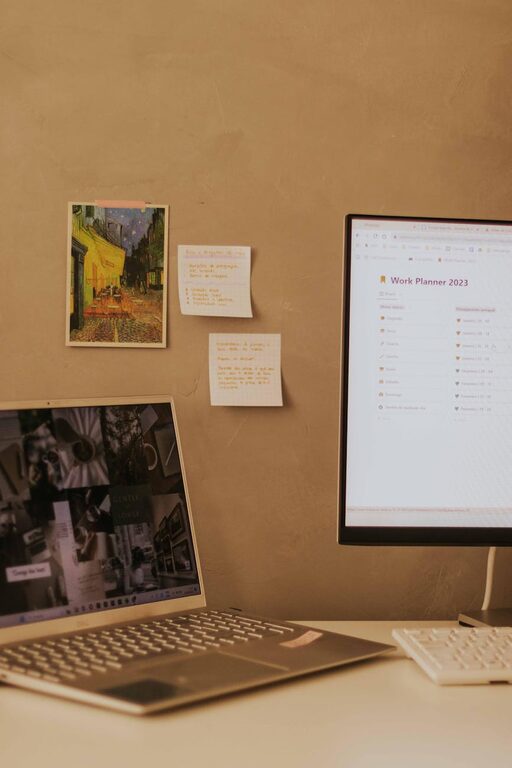
Creating a home workspace that is both cozy and productive can make a big difference in how you feel and perform throughout your workday. Whether you work remotely full-time, occasionally need a quiet spot for focused tasks, or simply want an inviting nook to manage your personal projects, designing the right environment is key. Below, we share practical tips to help you create a home workspace that supports your comfort and efficiency.
Choose the Right Location
Your workspace location sets the tone for your workday. Aim for a spot with minimal distractions and good natural light.
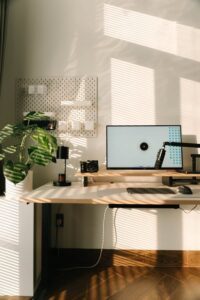
– Natural Light: Position your desk near a window if possible. Natural light can improve mood and energy levels.
– Quiet Area: Pick a room or corner away from traffic zones and noise for better concentration.
– Available Space: Ensure there is enough room for your desk, chair, and storage without feeling cramped.
Invest in Comfortable Furniture
Comfort directly affects productivity, so selecting ergonomic furniture will help you work longer without strain.
Ergonomic Chair
A good chair supports posture and reduces discomfort. Look for features like adjustable height, lumbar support, and cushioned seating.
Functional Desk
Choose a desk that fits your space and work style. Standing desks or those with adjustable height can offer flexibility during your day.
Organize Your Workspace for Efficiency
A clutter-free workspace minimizes distractions and saves time. Use these organizing tips:
– Use Storage Solutions: Drawers, shelves, and boxes keep your supplies tidy and accessible.
– Desk Layout: Keep frequently used items within easy reach; store less used materials away.
– Cable Management: Use clips or sleeves to keep cords neat and prevent tangling.
Personalize Your Space
Adding personal touches makes the workspace inviting, encouraging you to spend time there.
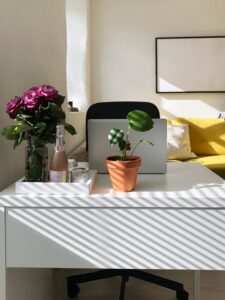
– Decorate Thoughtfully: Include a few meaningful items like photos, art pieces, or plants.
– Color Choices: Soft, calming colors can create a peaceful atmosphere, while brighter accents can boost energy.
– Lighting: Besides natural light, add a good desk lamp with adjustable brightness for late work sessions.
Establish a Routine and Define Boundaries
Your environment works best when paired with good habits.
– Set Work Hours: Decide your start and end times to maintain balance.
– Take Breaks: Stand, stretch, or walk around regularly to refresh your mind and body.
– Avoid Multitasking Areas: Keep work activities separate from leisure spaces to help mentally switch between tasks.
Incorporate Greenery for Freshness
Plants not only beautify the area but also improve air quality and create a calming effect.
– Choose low-maintenance plants like succulents or snake plants if you’re new to gardening.
– Position plants where they get enough light without crowding your workspace.
Manage Technology Wisely
Technology is essential but can become a distraction if unmanaged.
– Keep your computer and other devices updated to avoid technical delays.
– Use apps or tools that help you stay focused, like timers or site blockers.
– Maintain a clean screen and keyboard to promote hygiene and comfort.
Optimize Air Quality and Temperature
Comfort extends beyond furniture and aesthetics. Proper temperature and fresh air help maintain focus and comfort.
– If possible, open a window for fresh air or use an air purifier.
– Adjust room temperature to a comfortable range, typically between 68-72°F (20-22°C).
Final Thoughts
Designing a home workspace that feels welcoming and supports your work goals is an investment in your wellbeing and productivity. By selecting the right location, investing in ergonomic furniture, keeping things organized, personalizing the space, and maintaining good routines, you can create a spot that helps you thrive every day.
Remember, the ideal workspace is personal — adapt these tips to fit your needs and preferences for the best results. Happy decorating!