


Creating a relaxing home office environment can significantly improve your focus, creativity, and overall well-being. Whether you’re working from home full-time or just need a peaceful spot for occasional tasks, designing a workspace that feels calm and inviting is key. Here are practical tips to help you transform your home office into a soothing and efficient place to work.
Choose the Right Location
Find a Quiet Space
Start by selecting a spot with minimal distractions. If your home has multiple rooms, consider using a spare bedroom, a corner of the living room, or even a nook by a window. Avoid high-traffic areas that might interrupt your workflow.
Natural Light Matters
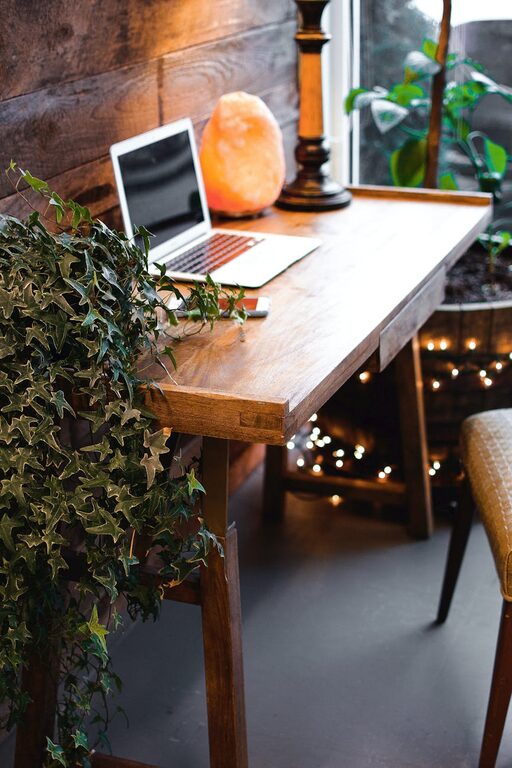
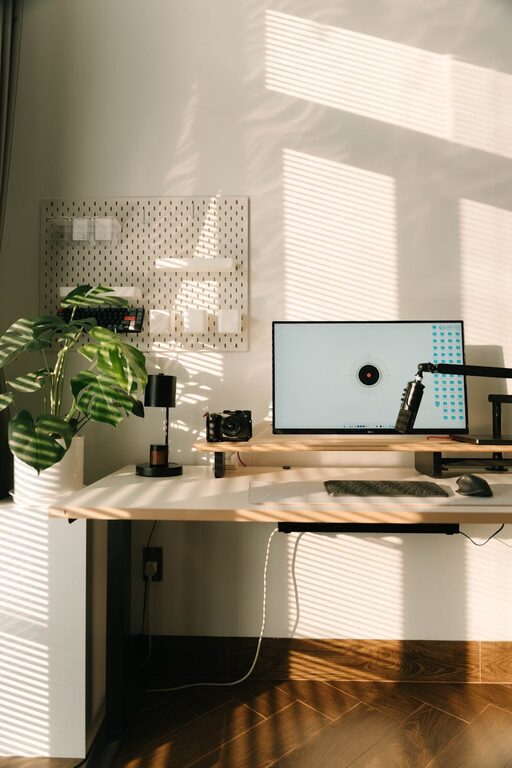
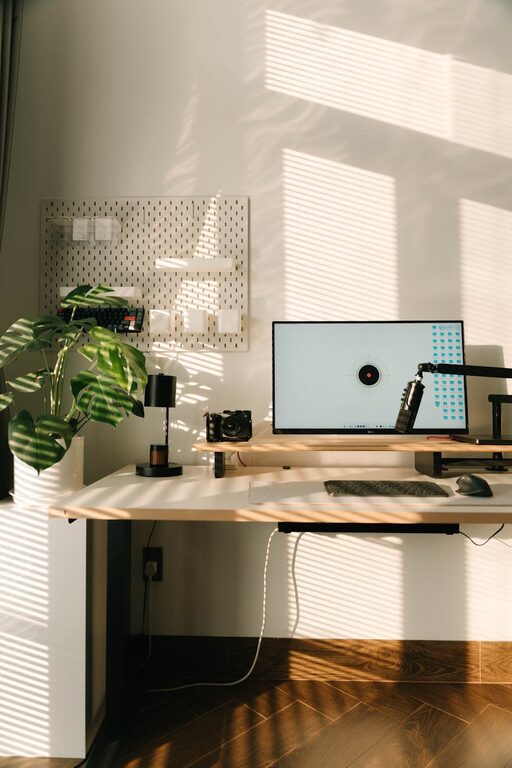
Whenever possible, position your desk near a window. Natural light helps improve mood and energy levels. If natural light is limited, invest in bright, warm lighting that mimics daylight to avoid eye strain.
Invest in Comfortable Furniture
Ergonomic Chair and Desk
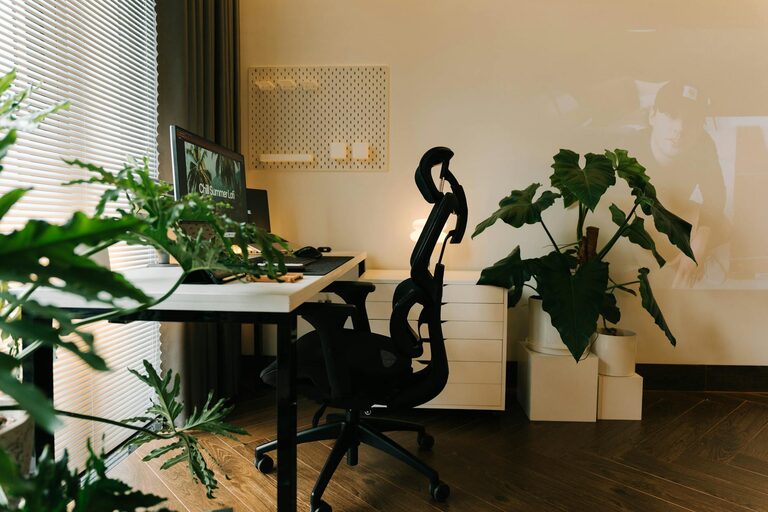
Comfort is essential for long hours at a desk. Choose an adjustable chair that supports your lower back and promotes good posture. Pair it with a desk at the right height to prevent strain in your shoulders and wrists.
Personalize Your Desk Space
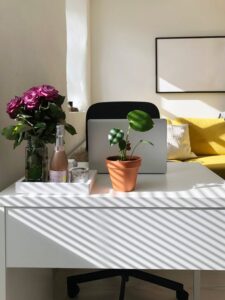
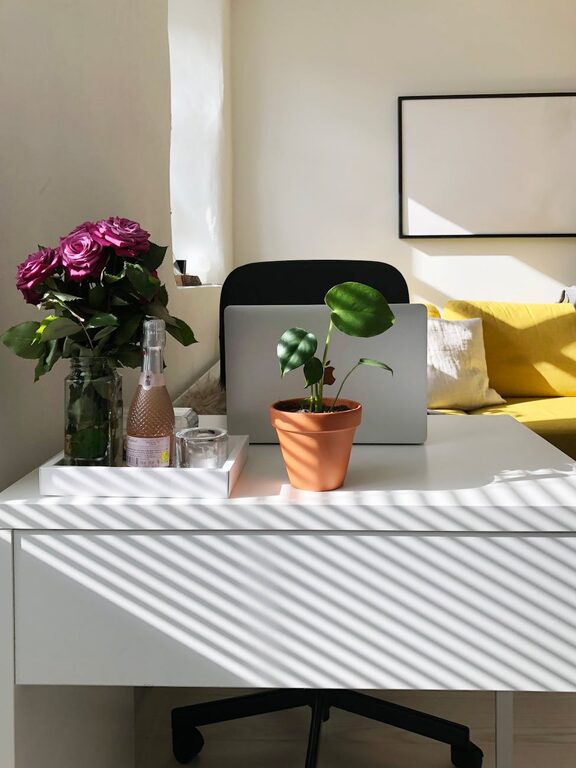
Adding personal touches like a favorite photo or a plant can make your workspace feel more inviting and reduce stress. However, keep clutter to a minimum to maintain a clean, open area.
Keep Your Space Organized
Declutter Regularly
A messy desk can lead to a cluttered mind. Take a few minutes daily to tidy your workspace, putting away unnecessary items and sorting papers.
Use Storage Solutions
Incorporate shelves, drawers, and organizers to keep supplies and documents in order. Label boxes or folders clearly to find things quickly.
Incorporate Calming Elements
Add Greenery
Plants not only decorate your office but also improve air quality and create a calming atmosphere. Choose low-maintenance plants like succulents or spider plants.
Soothing Colors
Colors influence mood. Soft blues, greens, or neutral tones promote relaxation, whereas bright colors might feel energizing but could be distracting. Choose wall paint, accessories, or decor in calming shades to enhance focus.
Use Aromatherapy
Light a scented candle or use essential oil diffusers with calming scents such as lavender, eucalyptus, or chamomile to create a relaxing ambiance.
Control Noise and Distractions
Soundproof Your Space
If outside noise bothers you, consider adding rugs, curtains, or acoustic panels that reduce sound reflection. Noise-cancelling headphones are also great for maintaining concentration.
Set Boundaries
Communicate your work hours to family or housemates to minimize interruptions. Consider “Do Not Disturb” signs or signals during focused work periods.
Optimize Technology Setup
Manage Cables and Devices
Use cable organizers to keep cords tidy and prevent tangling. Arrange devices ergonomically to avoid strain, with monitors at eye level and keyboards within easy reach.
Limit Digital Distractions
Use apps or browser extensions that block distracting websites during work hours. Keep only necessary tabs open and silence non-urgent notifications.
Personal Well-Being Practices
Take Regular Breaks
Working continuously can increase stress. Follow the 20-20-20 rule: every 20 minutes, look at something 20 feet away for 20 seconds to rest your eyes.
Incorporate Movement
Stretch, walk, or practice simple exercises during breaks to reduce muscle tension and boost circulation.
Stay Hydrated and Nourished
Keep water and healthy snacks nearby. Staying hydrated and well-fed improves concentration and energy.
Create a Routine and Workspace Rituals
Start and End Your Day with Intention
Establish a morning routine that prepares you mentally for work, such as reviewing your tasks or enjoying a cup of tea at your desk. Similarly, create an end-of-day ritual to signal when work is over, like closing your laptop or tidying your desk.
Personalize to Your Preferences
Your home office should reflect your style and needs. Incorporate elements that make you feel calm and motivated, whether it’s soft music, inspirational quotes, or a cozy blanket.
Final Thoughts
A relaxing home office environment isn’t just about aesthetics—it supports your mental well-being and productivity. By carefully considering your space, comfort, organization, and personal preferences, you can create a workspace that makes work feel more enjoyable and less stressful. Start with small changes and adjust as needed to build your ideal home office retreat.