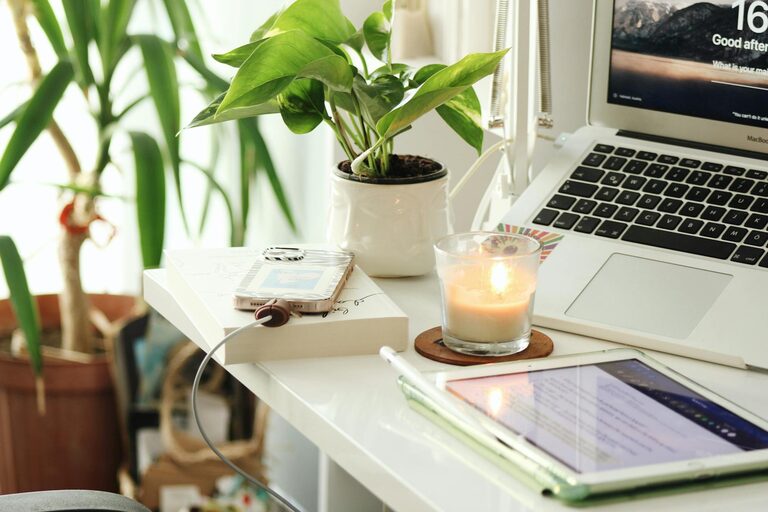



Creating a productive home workspace is essential for anyone working remotely or pursuing personal projects at home. A well-designed workspace can boost your focus, reduce stress, and improve overall efficiency. Whether you have a dedicated room or just a small corner, these tips will help you set up an environment where you can work comfortably and stay motivated.
Choose the Right Location
The first step to creating an effective home workspace is selecting the right spot. Ideally, you want a quiet area that minimizes distractions. Here are some factors to consider:
– Natural light: Work near a window if possible. Natural light improves mood and reduces eye strain.
– Low traffic: Choose a spot away from high-traffic areas like the kitchen or living room.
– Privacy: If you share your home, pick a place where you can focus without interruptions.
If space is limited, even a small nook or a section of a room can become your workspace.
Invest in Ergonomic Furniture
Comfort is key for long hours at your desk. Ergonomic furniture supports good posture and prevents discomfort.
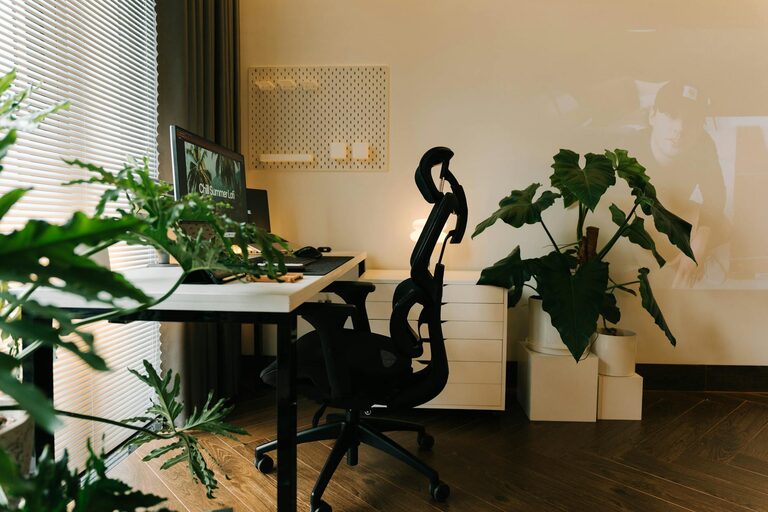
– Chair: Use an adjustable chair with good lumbar support.
– Desk: Choose a desk at the right height for your body and equipment.
– Keyboard and mouse: Position them so your wrists stay straight and shoulders relaxed.
If you can, consider a sit-stand desk to alternate between sitting and standing throughout the day.
Organize Your Workspace Efficiently
Clutter can hinder your productivity. Keeping your workspace organized helps reduce distractions and saves time.
– Declutter regularly: Remove items you don’t need daily.
– Use storage solutions: Bins, drawers, and shelves keep supplies tidy.
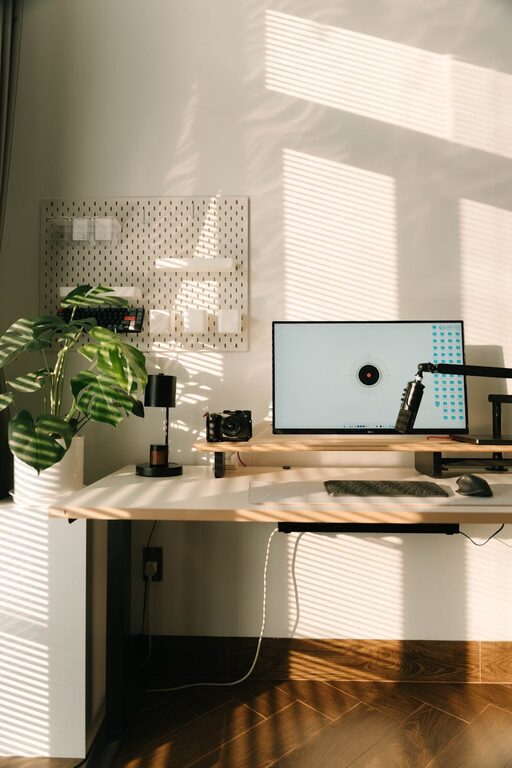
– Cable management: Use clips or ties to keep cords neat and out of the way.
Create a system so everything has a place and is easy to find.
Set Up Good Lighting
Proper lighting protects your eyes and keeps you alert.
– Avoid glare: Position screens perpendicular to windows or other light sources.
– Use task lighting: A desk lamp can brighten your workspace when needed.
– Adjust brightness: Make sure your space isn’t too dark or too bright.
Natural light combined with soft artificial lighting usually works best.
Minimize Distractions
Focus is crucial for productivity.
– Turn off notifications: Silence phone or computer alerts during work sessions.
– Use noise-canceling headphones: These are helpful if you can’t control household noise.
– Communicate boundaries: Let others in your home know your work hours to reduce interruptions.
Creating a dedicated space for work also helps your brain switch into “focus mode.”
Personalize Your Space
While keeping it professional, adding personal touches can make your workspace inviting.
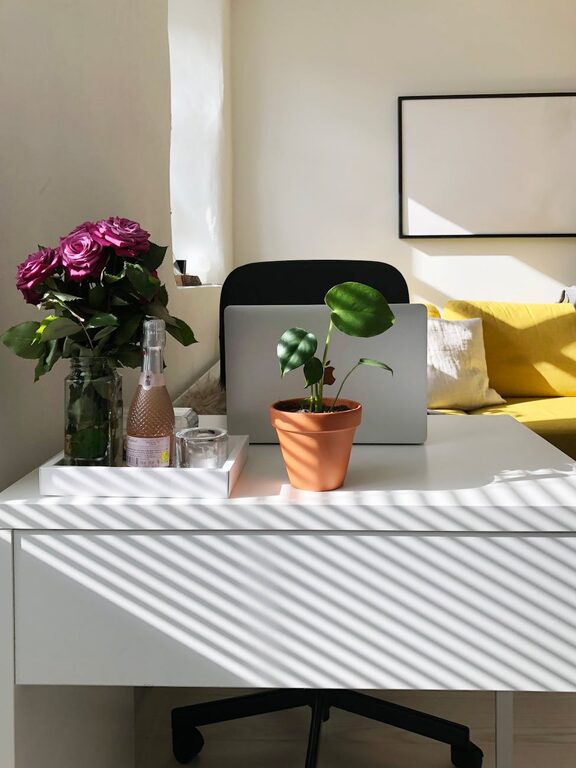
– Add plants: Greenery improves air quality and reduces stress.
– Incorporate inspiring items: Photos, artwork, or quotes can boost your mood.
– Choose calming colors: Soft tones help create a relaxed atmosphere.
A space you enjoy being in encourages you to spend productive time there.
Establish a Routine
Your environment supports your routine, but consistency is equally important.
– Set regular work hours: Stick to a schedule to maintain balance.
– Take breaks: Step away from your desk to recharge and avoid burnout.
– Prepare your workspace each day: Spend a few minutes organizing before starting.
Routine and environment together enhance your ability to focus and produce quality work.
Maintain Good Technology Setup
Reliable technology is essential in a home workspace.
– Fast internet: Ensure a strong connection, especially for video calls.
– Quality equipment: Use a good monitor, keyboard, and mouse to reduce strain.
– Backup solutions: Save your work regularly and use cloud storage to avoid data loss.
Keep software updated and troubleshoot issues promptly to prevent disruptions.
—
By following these tips, you can create a home workspace that improves your efficiency and comfort. Remember, the goal is to build an environment tailored to your needs – one that makes work feel less like a chore and more enjoyable. With a little planning and thoughtful setup, your home workspace can become a place where productivity and creativity thrive.