


Creating a cozy and functional workspace at home is essential for staying productive and comfortable throughout the day. Whether you work remotely full-time or occasionally need a spot to focus, your workspace can greatly impact your mood, efficiency, and overall well-being. In this post, we’ll explore practical tips to help you design a home office that feels welcoming and boosts your productivity.
Why a Cozy and Functional Workspace Matters
Working from home offers flexibility but also presents challenges, especially when your workspace isn’t set up thoughtfully. A cozy and functional area encourages concentration, reduces distractions, and helps you maintain a healthy work-life balance. It’s not just about aesthetics; good design supports your workflow and physical comfort, making work hours more enjoyable.
Choose the Right Location
Consider Natural Light
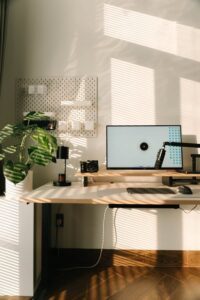
Natural light can brighten your mood and reduce eye strain. Choose a spot near a window if possible, but avoid glare on your screen by positioning your desk perpendicular to the window.
Minimize Noise and Distractions
Select a quiet area that’s away from high-traffic zones. If complete silence isn’t possible, consider noise-canceling headphones or soft background music to help maintain focus.
Select Comfortable and Supportive Furniture
Invest in an Ergonomic Chair
A good chair provides lumbar support and encourages good posture. This can prevent back pain, which is common during long hours of sitting.
Choose a Desk that Fits Your Needs
Make sure your desk has enough surface area for your computer, notes, and any other tools you use regularly. Adjustable desks are a bonus, allowing you to switch between sitting and standing.
Organize Your Space for Efficiency
Use Storage Solutions
Keep your workspace clutter-free with shelves, drawers, or desk organizers. Label storage containers to find items easily.
Keep Essentials Within Reach
Arrange frequently used supplies in convenient spots so you don’t waste time searching for them.
Personalize Your Workspace
Add Plants
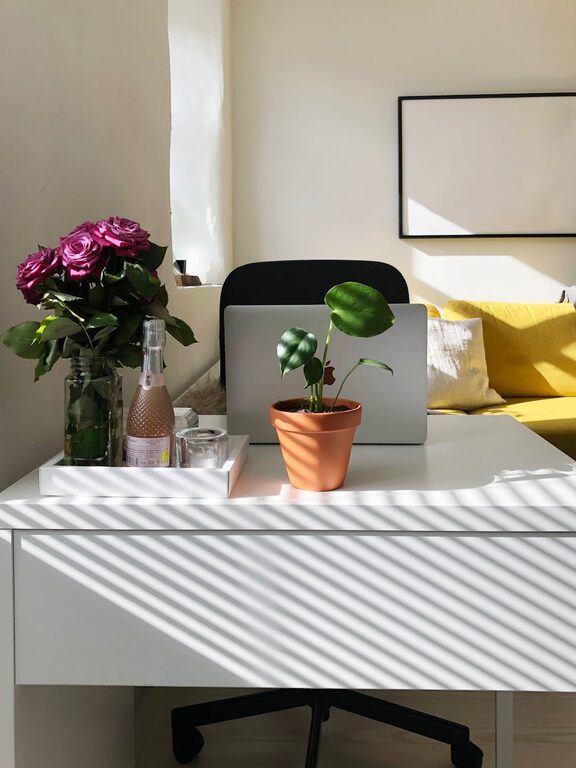
Plants improve air quality and add a calming natural element to your space. Choose easy-care varieties like succulents or pothos.
Display Meaningful Items
Photos, artwork, or inspirational quotes can make your workspace feel inviting and motivating.
Pay Attention to Lighting
Combine Ambient and Task Lighting
Use a combination of overhead lights and desk lamps to ensure your workspace is well-lit without being harsh.
Opt for Adjustable Lighting
Adjustable lamps let you customize light direction and intensity to reduce eye strain.
Manage Cables and Technology
Use Cable Organizers
Keep cables tidy to prevent tangling and maintain a clean look. Velcro straps or cable clips work well.
Upgrade Technology as Needed
Reliable internet, a good quality microphone, and an ergonomic keyboard and mouse can improve your work experience.
Incorporate Break Areas
If space allows, create a small area for breaks with a comfortable chair or cushion. This encourages regular pauses and helps reduce stress.
Maintain Cleanliness and Freshness
Make it a habit to tidy your workspace each day. Clean surfaces and fresh air can improve focus and morale.
Final Thoughts
Designing a cozy and functional workspace at home is all about balancing comfort, organization, and personalization. By paying attention to your environment, furniture, lighting, and organization, you create a space where you can work efficiently and feel good doing it. Start with small changes and adjust your setup over time to find what works best for you. A well-designed workspace is an investment in your productivity and well-being.
—
With these tips, you’re on your way to transforming your home office into a cozy retreat that supports your work and creativity. Happy decorating!